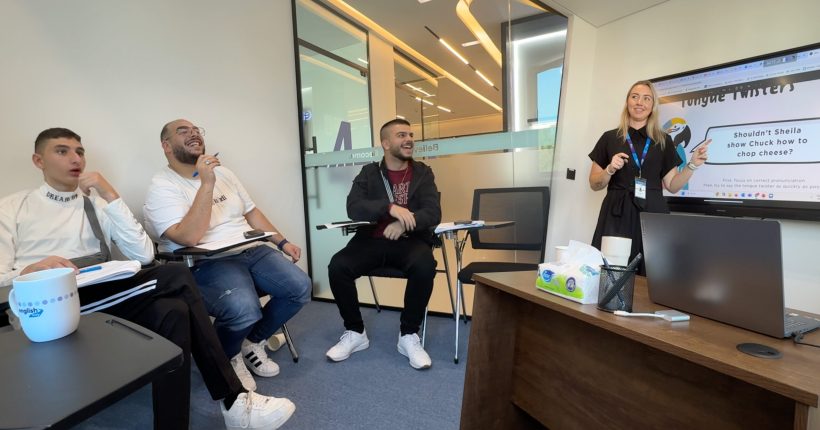

In today’s globalized world, English is no longer just a foreign language — it is a life skill. From education and career to travel and social life, English plays a key role in almost every area of modern living. Yet, many people still underestimate its importance until they face serious difficulties caused by not knowing it well enough.
The biggest mistake is not realizing how much English affects daily decisions, opportunities, and confidence. Let’s explore the most common mistakes people make when they lack English skills, and how these mistakes can limit their future.
1. Misunderstanding Important Information
One of the most common problems is misunderstanding critical information. Whether it is a school email, a work contract, medical instructions, or government forms, English is often the main language used.
Without strong English skills, people may:
- Misread deadlines
- Misunderstand rules or policies
- Sign documents without fully understanding them
- Miss important opportunities
These misunderstandings can lead to financial loss, academic failure, or legal problems — all because of language barriers.
2. Making Wrong Career Decisions
Many people choose jobs below their real potential simply because they are afraid of working in English. They may avoid international companies, customer-facing roles, or leadership positions.
Common career mistakes include:
- Avoiding promotions due to lack of confidence in English
- Rejecting job offers that require communication in English
- Failing job interviews because they cannot express themselves clearly
- Staying in low-paying positions despite having strong professional skills
In reality, it is not intelligence or talent that holds them back — it is language.
3. Losing Opportunities to Study Abroad
English is the main language of global education. Students who do not invest in English early often:
- Fail international entrance exams
- Struggle to understand lectures
- Avoid applying to international universities
- Feel isolated in multicultural classrooms
Many talented students lose scholarships and study opportunities simply because they cannot meet English language requirements.
4. Communication Problems in Daily Life
Simple daily tasks can become stressful without English:
- Speaking to doctors
- Talking to teachers
- Communicating with landlords
- Understanding instructions at airports
- Solving problems with banks or service providers
This leads to dependence on others, loss of confidence, and constant anxiety in social situations.
5. Lack of Confidence and Social Isolation
When people cannot express themselves clearly, they often stay silent even when they have strong ideas. Over time, this creates:
- Fear of speaking
- Low self-esteem
- Avoidance of social events
- Limited international friendships
- Difficulty networking
Language should be a bridge, not a barrier — but without English, many people build walls around themselves.
6. Missing Global Business Opportunities
In business, English is the language of meetings, emails, presentations, contracts, and negotiations. Entrepreneurs and professionals who do not speak English fluently may:
- Lose international clients
- Fail to negotiate effectively
- Misunderstand business terms
- Appear less professional than they actually are
This directly affects company growth and personal success.
7. Depending Too Much on Translation Tools
Relying only on translation apps can be risky. Machines cannot fully understand context, tone, or cultural meaning. This can cause:
- Miscommunication in professional emails
- Embarrassing mistakes in formal situations
- Incorrect understanding of legal or academic texts
True confidence comes from understanding, not guessing.
8. Delaying English Learning for “Later”
Perhaps the biggest mistake is thinking:
“I will learn English when I need it.”
The truth is:
When you need English, it is often already late.
Opportunities come suddenly — a job interview, a scholarship, a business meeting, a relocation chance. Language preparation should happen before these moments, not after.
Why Learning English Changes Everything
When people improve their English, they immediately notice:
- Better job offers
- Stronger academic performance
- Higher self-confidence
- Clearer communication
- Wider social circles
- Global mobility
English opens doors that remain invisible to those who do not speak it.
Final Thought
The mistakes made without knowing English are not small. They affect careers, education, confidence, income, and quality of life. But the good news is simple: language can be learned, and every level of improvement creates new opportunities.
Learning English is not just about grammar and vocabulary — it is about:
- Freedom
- Confidence
- Access
- Growth
- A stronger future
In a world that speaks English, choosing not to learn it is the only real mistake.